Why this practice matters
The concept lesson gave you the map. This lesson is about whether you can use it when the information is incomplete, local conditions differ and a quick answer would be tempting. The output should be a decision record that another reader could audit—not a list of boxes ticked “yes.”
Audit a Singapore licence claim without over-reading it
Start with one fictional or historical case and complete the table before looking for a conclusion.
| Field | What to record |
|---|---|
| Legal entity | Singapore company being checked |
| MAS licence | Exact licence type/status |
| Regulated activity | e.g., Digital Payment Token Service |
| User geography | Whether this user can access the service |
| Asset/product | Separate token/product verification |
| Conclusion | What the licence does and does not prove |
Do not fill unknowns with “probably.” Mark them verified, uncertain, not applicable or needs current source. That small discipline is especially important in regional crypto analysis, where the same brand or asset can sit behind different entities, licences, rails and user restrictions.
Run the stress case
Now change one assumption:
A Singapore licence is verified, but the specific product is unavailable to the Philippine customer.
Do not change the original worksheet to make the new outcome look obvious. Add a second column or a second version. Compare what changed: the market fact, the user’s access, the cost, the legal status, the transaction state or simply your interpretation.
Turn the result into a decision
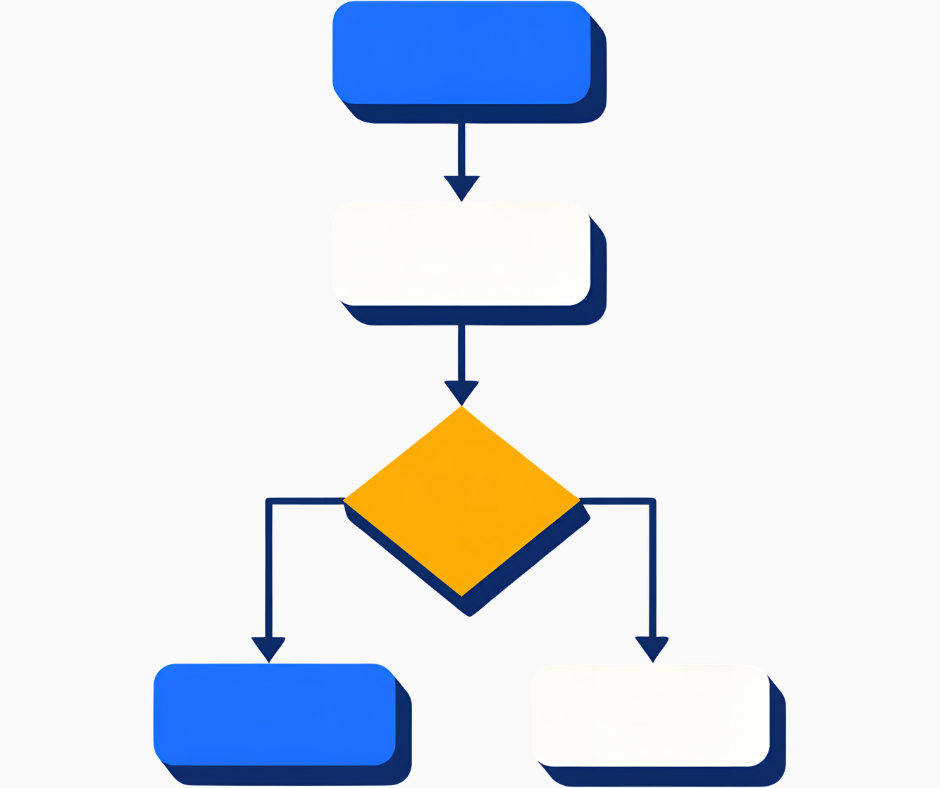
Write four sentences in order:
- The local fact I can verify is…
- For this specific user, that fact means…
- It does not prove…
- I would pause or change the route if…
This format forces the user-specific implication to sit between the evidence and the action. It prevents a country headline from jumping directly into a trading or product decision.
Common failure modes
- Equating Singapore regulation with universal availability.
- Using company-level licensing to prove token quality.
- Ignoring customer geography.
Notice that none of these failures requires a prediction error. A user can understand the direction of the market correctly and still make a poor decision because the local route, legal entity, currency conversion, liquidity or recourse path was wrong.
A second-pass challenge
Repeat the lab with one variable changed. Use a different user, country, account eligibility, amount, time window or final currency. If your conclusion stays exactly the same, explain why. If it changes, identify the variable that caused the change.
This is the core Academy 13 skill: local context should change the analysis when it is genuinely relevant, but it should not be used as decoration or stereotype.
Completion test
The lesson is complete when another reader can follow your worksheet and tell:
- which jurisdiction and user the conclusion applies to;
- which facts are current and which are assumptions;
- where cost, liquidity, access or legal status enters the route;
- what the evidence does not prove; and
- what condition would make you stop, re-check or choose a different route.