
Why you should know this
Talking about “Filipino crypto traders” can become useless very quickly if it turns into stereotypes. The Philippine market contains students, professionals, OFWs, freelancers, long-term holders, active traders and people who only use digital assets for a practical transfer. What matters is not a national personality; it is the environment in which decisions are being made.
Academy 13 is where global crypto knowledge meets the practical details that decide whether a Philippine or Asian user can actually use that knowledge. The goal is not to memorize country trivia. It is to learn how to localize a decision without turning an old rule, a foreign licence, a screen price or a regional headline into stronger evidence than it really is.
Local context is useful; stereotypes are not
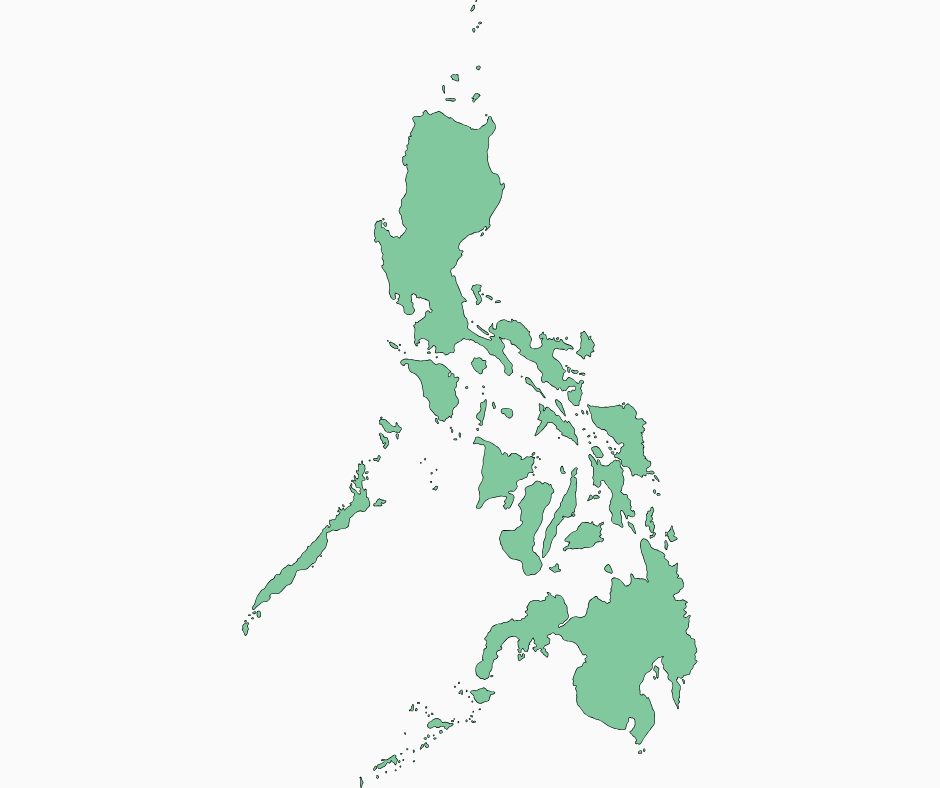
Several local conditions can shape behavior without defining every individual. Mobile-first access can make decisions fast and social. Community groups can spread useful information and scams with equal speed. Remittance and freelance income can make cross-border conversion more relevant than it is in some other markets. Household cash-flow constraints can also make liquidity and withdrawal reliability more important than a global chart suggests.
Turn environment into decision questions

Instead of asking “What do Filipinos do?”, ask four better questions: What is this user trying to accomplish? Which device and information channels do they rely on? Which currency and payment rail does the decision end in? What loss or delay would be most damaging to that person? These questions turn local context into a decision framework rather than a stereotype.
Worked example — make the local outcome visible
Two Manila-based users can look identical in a market statistic but need completely different controls. One is an active trader whose main concern is spread and execution during volatile hours. Another receives freelance income from abroad and cares more about conversion cost, documentation and when pesos reach a bank or e-wallet. Teaching both people the same “Filipino trading habit” would miss the real risk.
A useful habit is to write the starting state and the ending state in the same line. When money moves, every intermediate currency, asset, provider, fee, FX conversion and access condition belongs in the analysis. When the lesson is about regulation or market access rather than a transfer, use the same discipline: start with the specific user and activity, then end with the permission, restriction or operational consequence that can actually be supported.
Different Filipinos can need opposite controls

Community anecdotes are not population data. Social-media activity can overrepresent the loudest group, and provider statistics may cover only one part of the market. Any claim about national behavior needs a dated source and a clear sample.
This is also why a current authoritative source matters more in Academy 13 than a confident generalization. Country, service and rule claims should carry an as-of date. When the evidence cannot establish current applicability, the correct conclusion is needs verification, not a softened guess.
Practice — no money needed

Build three fictional Philippine personas: an OFW recipient, a part-time trader and a freelancer receiving international work income. Give each the same ₱20,000 equivalent value. For each, write the primary goal, main information source, most important operational risk and the evidence needed before acting. If the controls are identical for all three, revise the exercise until the local use case actually changes the decision.
When you finish, add two final lines:
- What is the strongest conclusion the evidence supports?
- What would change the conclusion?
That second line prevents a local-market observation from becoming a permanent belief.
How this connects to market mastery
Regional knowledge becomes useful when it improves execution, access, risk control or interpretation. Market mastery does not mean knowing every Asian rule by memory. It means knowing how to identify the relevant jurisdiction, source, currency, provider, user and decision boundary when the context changes.


