
Why you should know this
Momentum strategies deliberately buy strength or sell weakness, which means the trader must distinguish persistent acceleration from a move that is already exhausted.
Academy 12 is where ideas become operating rules. The aim is not to collect strategy names. It is to learn how to ask the same professional questions of every style: what is the decision rule, what market behavior is it trying to exploit, what assumptions support it, what costs sit between the signal and the result, and what evidence says the method no longer fits?
How the strategy actually makes a decision

Momentum trading assumes that assets showing strong recent performance may continue moving in the same direction for some period. The signal can be absolute, such as price rising rapidly, or relative, such as one asset outperforming a defined peer group. The strategy is different from trend following because it often cares more about acceleration and ranking than about a long established structure.
The skill is defining strength without relying on the same price move twice. If the selection rule chooses the largest one-day gainers and the entry occurs after most of the move has already happened, the strategy may simply buy temporary exhaustion.
What must be true before the strategy makes sense

A momentum rule needs a lookback window, asset universe, liquidity filter, ranking method, entry timing, holding period and exit rule. The universe matters: ranking ten large liquid assets is different from ranking hundreds of thin tokens where extreme returns may reflect poor liquidity.
The strategy also needs a rule for market-wide shocks. When nearly every asset moves together, relative rankings can be less informative because the dominant factor is the whole market rather than asset-specific momentum.
Work through the decision, not just the definition
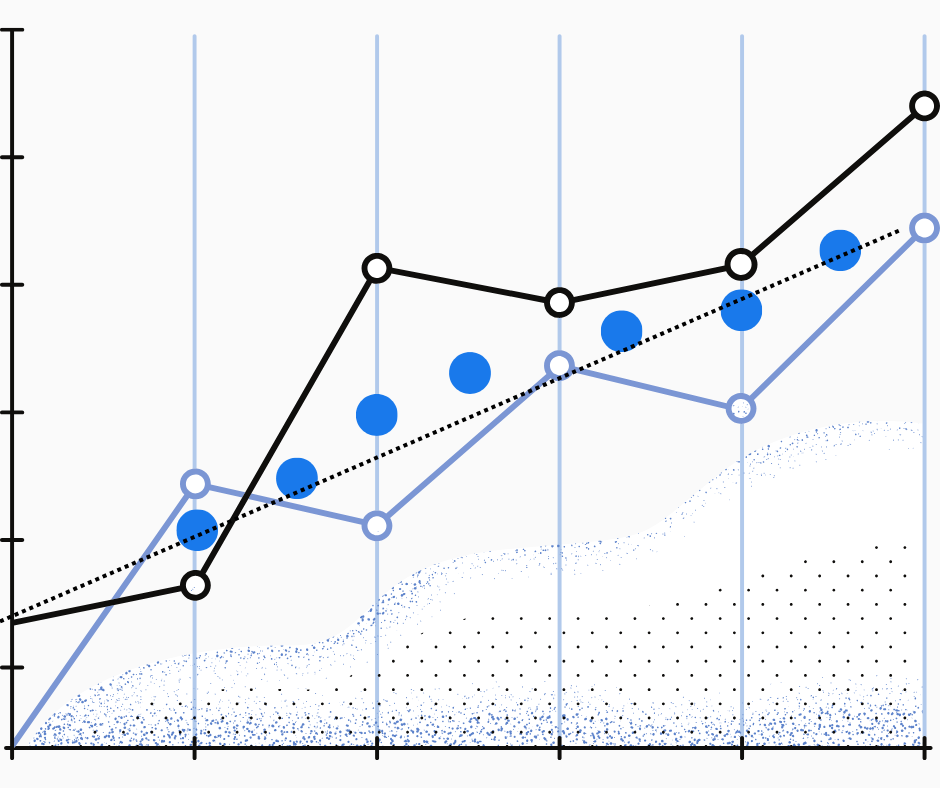
Suppose five liquid assets have seven-day returns of +18%, +12%, +6%, -2% and -8%. A simple relative-momentum rule selects the top two. Before calling that a strategy, the learner asks whether those returns came from broad market beta, one temporary listing event, or persistent volume-supported demand.
If the top asset gained 16% in a single illiquid hour and then traded flat, while the second gained steadily with deeper volume, the same seven-day return ranking hides very different execution risk. A robust momentum process needs more than a leaderboard.
Where the strategy gives its edge back
A strategy can have a sensible market idea and still produce a poor result if its costs, timing or operating conditions are wrong. Before judging performance, separate market edge from execution drag. Fees, spread, slippage, missed signals, funding or borrowing costs, tax-record obligations and unavailable liquidity may matter differently for each style. The next lesson in this family turns those frictions into an explicit testing ledger rather than leaving them as footnotes.
Momentum reversals can be violent because crowded traders may try to exit at the same time. Costs also rise when the strategy trades frequently or enters during fast moves. Thin assets can show spectacular historical momentum that was not executable at the displayed prices.
A momentum strategy should be tested for sensitivity to the lookback and holding period. If tiny parameter changes turn a profitable backtest into a poor one, the apparent edge may be fragile or overfit.
Skill practice — build the rule before seeing the answer
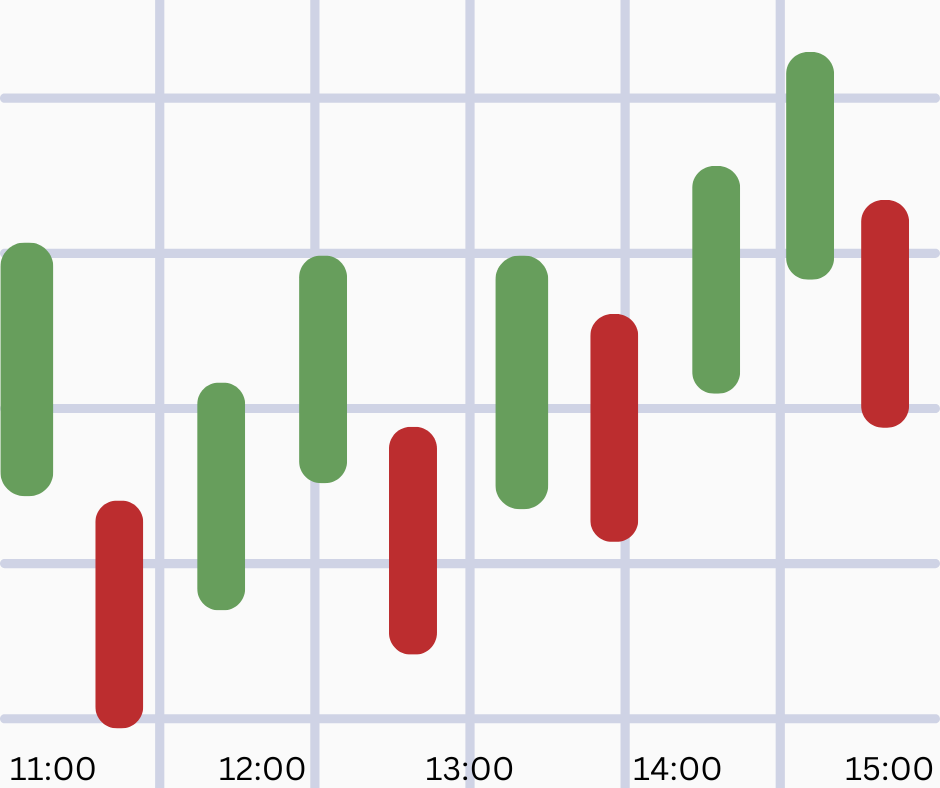
Build a fictional universe of ten liquid assets and rank them using one chosen momentum measure. Freeze the data at each rebalance date so future information cannot leak into selection. Track gross return, turnover, spread assumptions, maximum drawdown and the result after excluding the single best trade. Then change the lookback modestly and check whether the strategy logic survives.
Do not score the exercise only by whether the hypothetical trade made money. Score whether the rule was clear enough that another reader could make the same decision from the same information. A lucky outcome from an undefined process is not the skill Academy 12 is trying to build.
How this connects to market mastery
A strategy becomes useful only when it can be compared with alternatives, tested under different regimes and retired when its assumptions fail. That is the bridge from “I know what this strategy is called” to “I can decide whether this strategy belongs in this market and in my operating constraints.”