Why you should know this
Mean reversion can work when price temporarily stretches away from a stable reference, but the same signal becomes dangerous when the “average” itself is moving because the market entered a new regime.
Academy 12 is where ideas become operating rules. The aim is not to collect strategy names. It is to learn how to ask the same professional questions of every style: what is the decision rule, what market behavior is it trying to exploit, what assumptions support it, what costs sit between the signal and the result, and what evidence says the method no longer fits?
How the strategy actually makes a decision
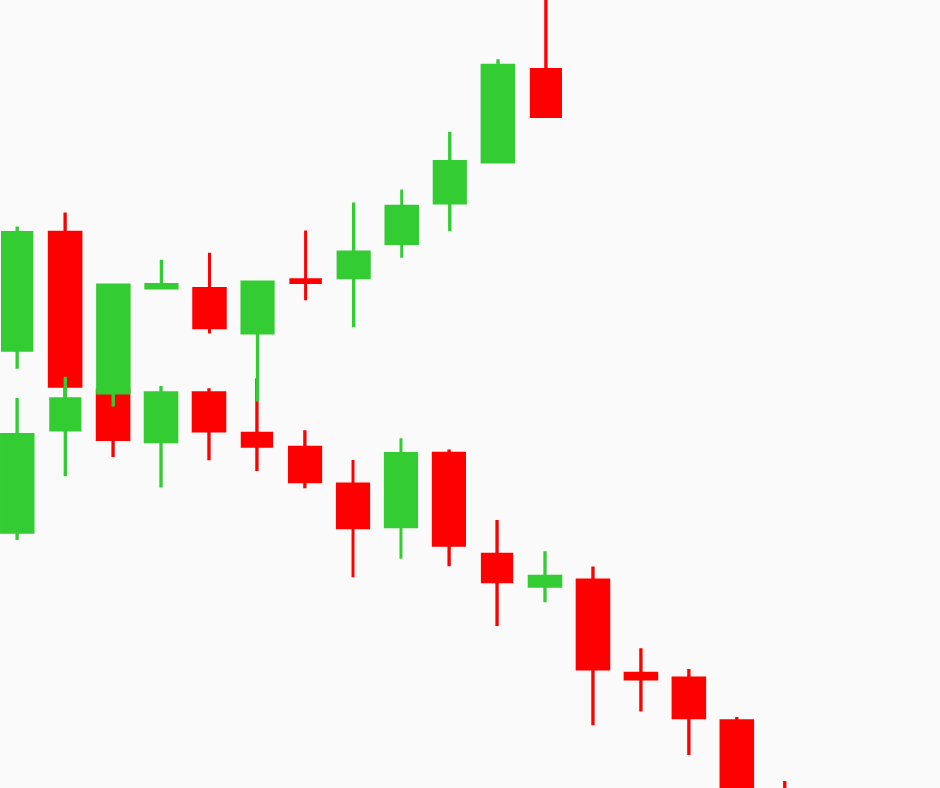
Mean reversion assumes that an unusually large deviation from a chosen reference is more likely to shrink than to keep expanding. The reference might be a moving average, a historical spread between two related assets, or another measure of equilibrium. The strategy therefore depends on two judgments: the deviation is genuinely unusual, and the reference remains meaningful.
That second judgment is easy to miss. A price 20% above a historical average is not automatically expensive if new information has permanently changed expected value. Mean reversion is a statistical idea, not a law of nature.
What must be true before the strategy makes sense
The rule must define the mean, lookback window, measure of stretch, entry threshold, invalidation and exit. A z-score or percentage distance can make the rule measurable, but the chosen window controls what counts as “normal.”
The strategy also needs a regime filter or at least a regime review. Strong trends, structural breaks, depegs and major fundamental changes can make the old average irrelevant. Continuing to add to a position simply because the deviation becomes larger is one of the classic failure modes.
Work through the decision, not just the definition
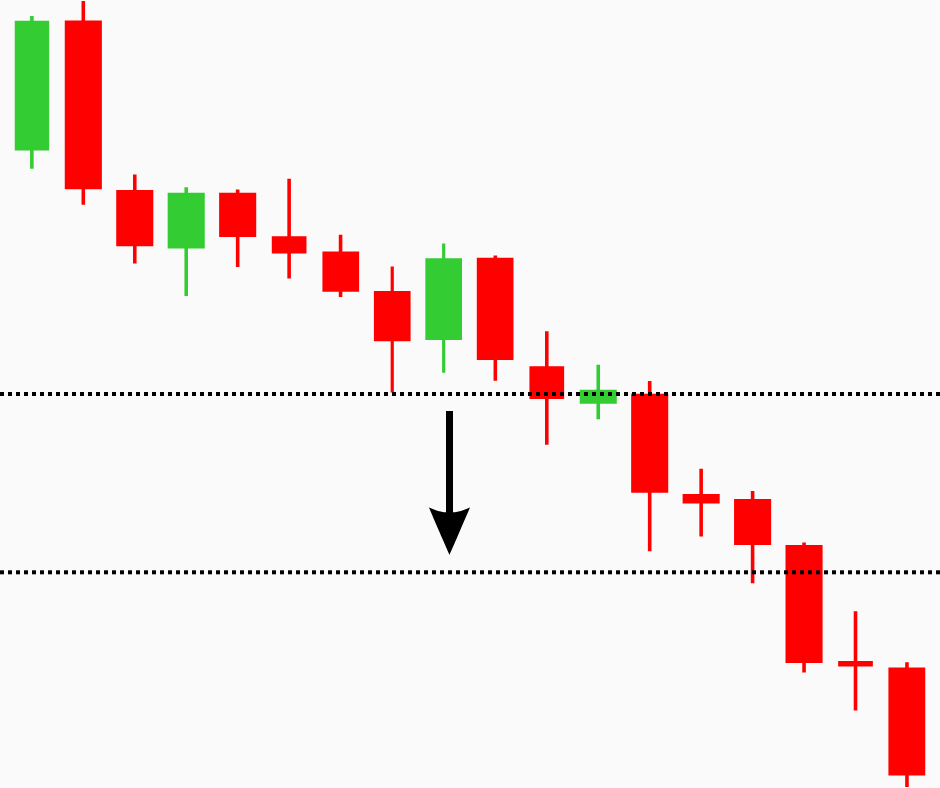
Imagine an asset whose 30-day average is PHP 100 and whose recent volatility makes moves of roughly PHP 5 common. Price falls quickly to PHP 85. A learner labels the move “three normal daily moves below the mean” and considers a reversion setup. Before entry, she checks whether the fall followed a market-wide liquidation or a project-specific event that changed the thesis.
If the cause is broad temporary stress, reversion may be plausible. If the cause is a confirmed security failure or permanent market-access change, the old mean may no longer deserve any authority. The same chart distance can therefore support very different decisions.
Where the strategy gives its edge back
A strategy can have a sensible market idea and still produce a poor result if its costs, timing or operating conditions are wrong. Before judging performance, separate market edge from execution drag. Fees, spread, slippage, missed signals, funding or borrowing costs, tax-record obligations and unavailable liquidity may matter differently for each style. The next lesson in this family turns those frictions into an explicit testing ledger rather than leaving them as footnotes.
Mean-reversion strategies can accumulate losses when trends persist, especially if the trader averages down without a hard invalidation rule. They are also sensitive to transaction costs because many small reversions may offer limited gross profit.
A strategy should be tested on the worst historical deviations, not only ordinary ones. If the method survives only by assuming unlimited capital or perfect fills while the deviation keeps widening, it is not a realistic strategy.
Skill practice — build the rule before seeing the answer
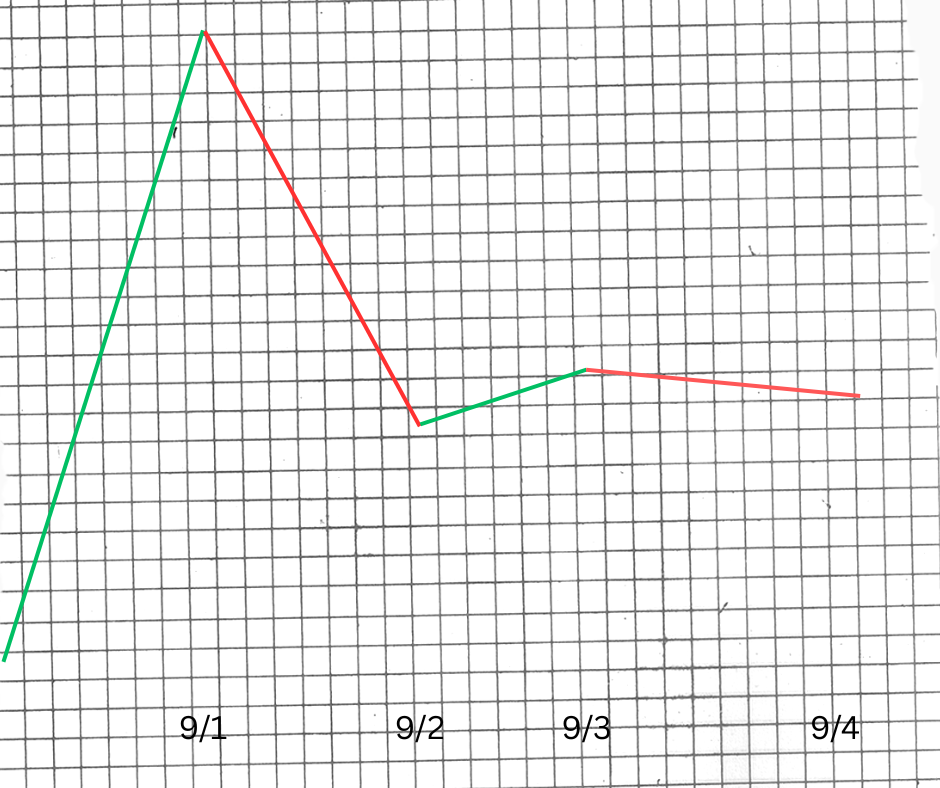
Choose a historical series and define one reference mean and one stretch threshold. Test the rule in a calm range, a strong trend and a shock period. Record how often the deviation kept widening after entry, how long reversion took, and whether costs erased small wins. Add a hard condition that declares the reference invalid rather than allowing endless averaging.
Do not score the exercise only by whether the hypothetical trade made money. Score whether the rule was clear enough that another reader could make the same decision from the same information. A lucky outcome from an undefined process is not the skill Academy 12 is trying to build.
How this connects to market mastery
A strategy becomes useful only when it can be compared with alternatives, tested under different regimes and retired when its assumptions fail. That is the bridge from “I know what this strategy is called” to “I can decide whether this strategy belongs in this market and in my operating constraints.”