Why you should know this
A range strategy assumes price will keep rotating between boundaries, so the skill is recognizing when the market is still balanced and when that assumption is starting to fail.
Academy 12 is where ideas become operating rules. The aim is not to collect strategy names. It is to learn how to ask the same professional questions of every style: what is the decision rule, what market behavior is it trying to exploit, what assumptions support it, what costs sit between the signal and the result, and what evidence says the method no longer fits?
How the strategy actually makes a decision
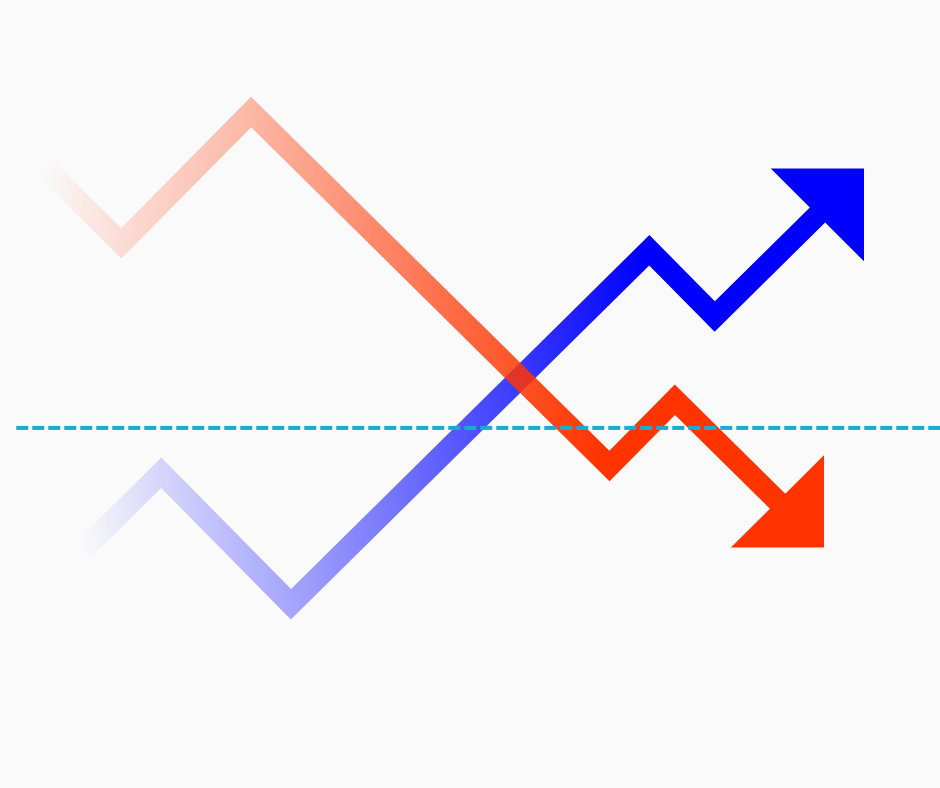
Range trading looks for repeated rejection near an upper boundary and repeated demand near a lower boundary. The trader is not simply “buying low and selling high.” The strategy depends on evidence that the market is still oscillating around an equilibrium rather than beginning a new directional move.
The strongest entries are usually planned before price reaches the boundary. If the trader waits until the range is obvious to everyone, the remaining distance to the opposite side may be small while breakout risk is growing.
What must be true before the strategy makes sense
A testable range needs objective boundaries, minimum number of touches or rejections, a definition of what counts as a breakout, and a minimum distance between entry and target after costs. The trader should also know which timeframe defines the range. A four-hour range may be noise inside a strong daily trend.
Volume, volatility and catalyst risk can help describe whether the range is becoming unstable. They do not guarantee a breakout, but they can change the cost of assuming mean reversion will continue.
Work through the decision, not just the definition
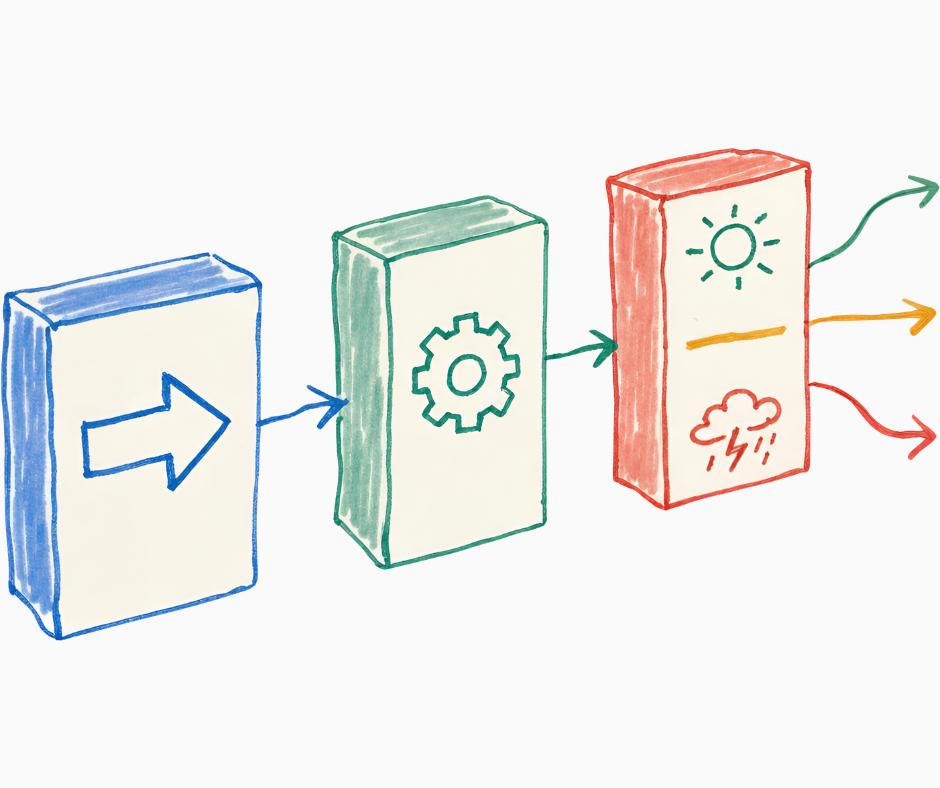
Suppose an asset has traded between PHP 90 and PHP 110 several times. A learner considers an entry near PHP 92 with invalidation below PHP 88 and a target near PHP 107. The planned reward looks attractive, but a scheduled token unlock is due the next day. The range setup and the event risk now compete.
If the learner chooses to continue, the event should be an explicit assumption in the plan. If the rule excludes trades before major scheduled events, skipping the setup is not “missing an opportunity”; it is executing the strategy.
Where the strategy gives its edge back
A strategy can have a sensible market idea and still produce a poor result if its costs, timing or operating conditions are wrong. Before judging performance, separate market edge from execution drag. Fees, spread, slippage, missed signals, funding or borrowing costs, tax-record obligations and unavailable liquidity may matter differently for each style. The next lesson in this family turns those frictions into an explicit testing ledger rather than leaving them as footnotes.
Range trading fails badly when a genuine breakout occurs and the trader repeatedly adds to a losing position because price “must return.” It also deteriorates when the range narrows so much that fees, spread and slippage consume most of the expected move.
A range can fail gradually. Higher lows near resistance or lower highs near support may show that the balance is changing. The lesson is not to predict every breakout, but to define what evidence makes the old range assumption no longer acceptable.
Skill practice — build the rule before seeing the answer
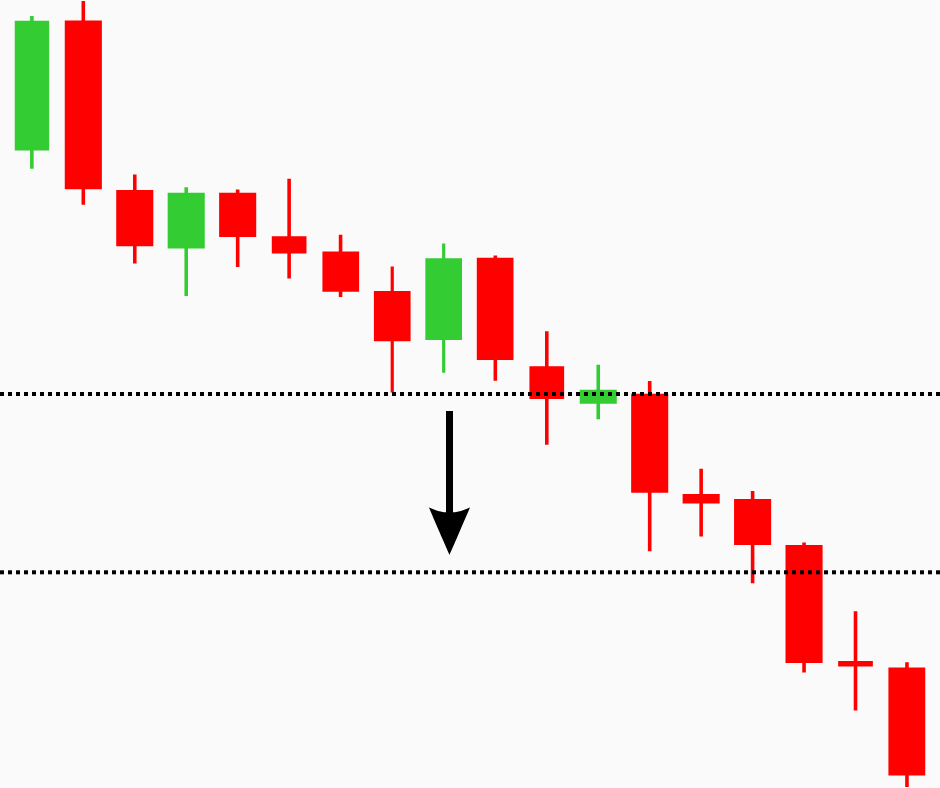
Freeze a historical chart inside an established range. Mark the boundaries, proposed entry zone, invalidation and target. Then test three paths: clean rotation, false breakout that returns to the range, and sustained breakout. Record exactly which rule keeps you in, gets you out, or prevents a second entry after the range structure changes.
Do not score the exercise only by whether the hypothetical trade made money. Score whether the rule was clear enough that another reader could make the same decision from the same information. A lucky outcome from an undefined process is not the skill Academy 12 is trying to build.
How this connects to market mastery
A strategy becomes useful only when it can be compared with alternatives, tested under different regimes and retired when its assumptions fail. That is the bridge from “I know what this strategy is called” to “I can decide whether this strategy belongs in this market and in my operating constraints.”