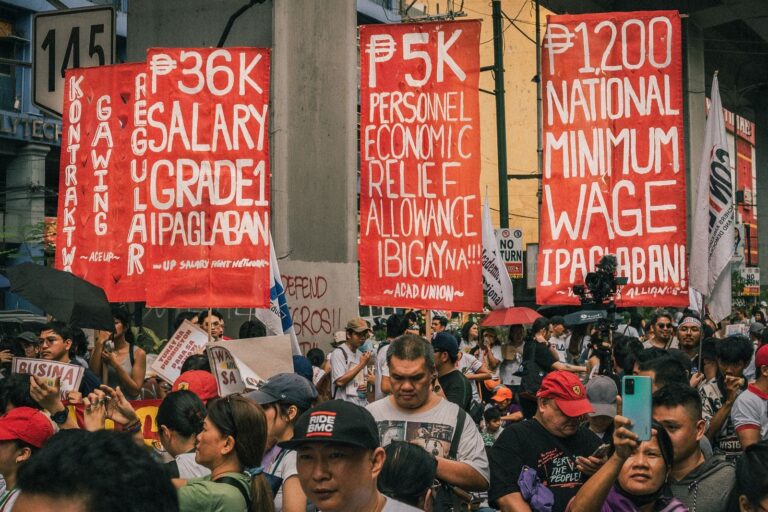
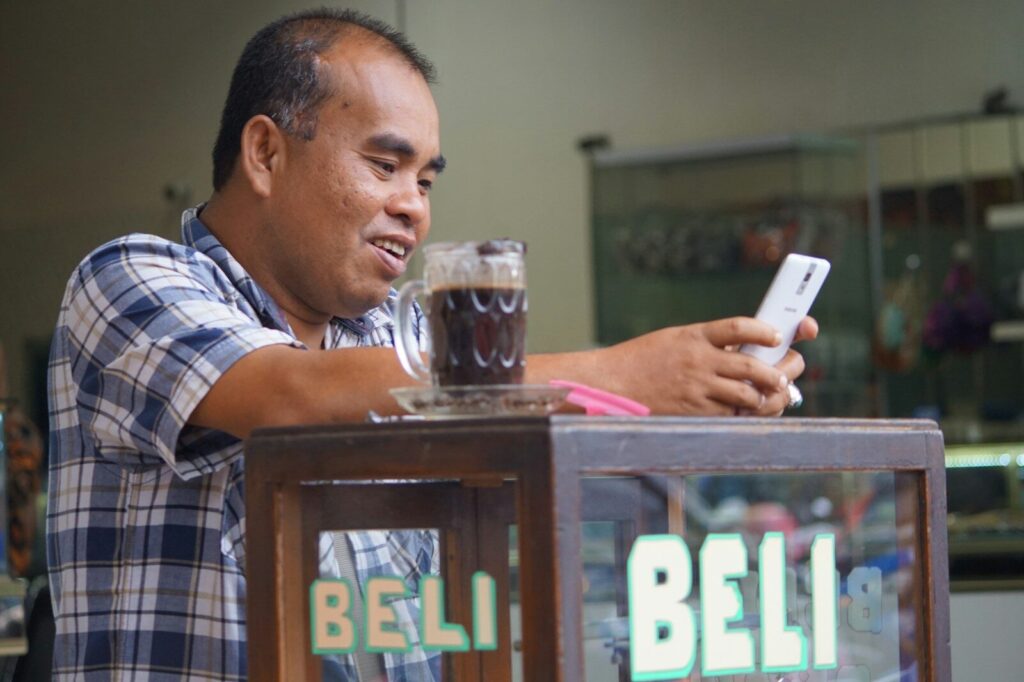
A bigger paycheck is becoming a reality for thousands of Filipino domestic workers abroad as the government pushes for better wages, stronger protection, and more opportunities.
More than 17,000 Filipino domestic workers are now covered by job orders offering a monthly salary of $500, according to the Department of Migrant Workers (DMW). The agency has processed 17,375 job orders carrying out the high salary since it began encouraging foreign employers to voluntarily adopt the new wage standard in 2025.
DMW Secretary Hans J. Cacdac announced the figure during the agency’s budget hearing before the House Committee on Appropriations.
The development shows growing acceptance of the higher wage among employers, even as the government continues to work with countries that have raised concerns about the proposed increase.
“As of now, we have processed 17,375 job orders with a US$500 salary for domestic workers, and we continue to process these job orders,” Cacdac said. The move is part of the government’s broader effort to improve the pay and working conditions of Filipinos employed as domestic workers overseas.
The DMW has recognized that the previous US$400 monthly minimum had lost much of its purchasing power because of inflation and the rising cost of living.
To many Filipino families, the income earned by an overseas domestic worker helps cover food, education, housing, and other daily needs. A higher salary could therefore provide workers and their families with greater financial support.
What is DMW Memorandum Circular No. 3?
The measure behind the higher wage is not a bill passed by Congress. It is a government policy under DMW Memorandum Circular No. 3, which introduced the voluntary adoption of a US$500 minimum monthly salary for Filipino domestic workers.
The policy was created after the DMW observed that inflation over the past two decades had significantly reduced the real value of the existing US$400 monthly minimum wage.
Some countries in the Middle East expressed concerns about or rejected the proposed increase.
To avoid disrupting existing employment arrangements, the DMW chose to encourage employers to voluntarily provide a higher salary instead of immediately making it mandatory for all contracts.
“What we have done is incentivize the process we are going through. So we incentivize those who on their own provided domestic workers with the 500 dollars salaries per month,” Cacdac said.
Employers and recruitment agencies that adopt a higher salary can receive incentives from the DMW. These include priority processing for accreditation, registration, and reaccreditation.
They can also gain access to a pool of skilled Filipino workers, helping make recruitment and job matching easier.
The approach allows the government to promote better wages while considering the concerns of foreign employers and protecting existing employment contracts.
Higher Pay, Stronger Protection and New Opportunities
The DMW’s efforts do not end with increasing salaries. The department is also preparing measures intended to strengthen the protection of Filipino domestic workers before they leave the country.
One major measure is the planned mandatory video interview between Filipino domestic workers and their prospective employers. This will give workers an opportunity to personally meet their future employers and learn more about their working arrangements before deployment.
Cacdac said the DMW is preparing to fully implement the video interview system during the last quarter of 2026, “So in this last quarter of 2026 we are braced to fully implement this video interview system.”
The initiative is particularly important for domestic workers because many of them live in their employers’ homes. Proper communication and screening before deployment can help workers better understand their responsibilities and employment conditions.
However, the implementation of the higher-wage initiative was slowed by the crisis in the Middle East. The DMW shifted much of its attention and resources toward repatriating and assisting overseas Filipino workers affected by the situation.
“I admit that our implementation was somewhat delayed due to the crisis in the Middle East; we focused on repatriation efforts and the assistance measures we provide to returning OFWs,” he said.
Aside from salary increases and protection measures, the DMW is also expanding skills training. The goal is to help domestic workers qualify for higher-paying occupations, including caregiving and jobs in hotels and restaurants.
“There is nothing wrong in becoming a domestic worker, but we want them not to be caught in a recruitment trap of being offered just domestic work,” Cacdac said.
The need for better opportunities is reflected in deployment figures.
As of June, domestic cleaners and helpers accounted for 22,215 of the 73,645 newly hired OFWs deployed, while domestic housekeepers accounted for 12,407. Saudi Arabia and the United Arab Emirates remain among the leading destinations for Filipino workers.
OFWs Can Make the Most of Their Earnings With DOPAY
As Filipino domestic workers receive better salaries, managing and sending their earnings home safely can also become an important part of their financial security.
DOPAY’s e-wallet and remittance services provide a secure channel to manage, send, and save that income. The service can help domestic workers handle their earnings while abroad and make it easier to support their families in the Philippines.
Many domestic workers regularly send money to their loved ones. DOPAY ensures cross-border transfers are faster and more affordable, so more of a worker’s $500 salary reaches their family instead of being lost to high transfer fees.
With higher wages, better safeguards, and accessible financial services, Filipino domestic workers can have more control over the income they work hard to earn and send home to their families.
With DOPAY, OFWs can send money from anywhere, including Japan, Hong Kong, Dubai, and beyond, to the Philippines quickly and affordably while enjoying secure and transparent transactions.
For our beloved OFWs, DOPAY guarantees peace of mind. Simply top up your DOPAY wallet and send funds directly to your family’s DOPAY wallet in pesos, all within the app.
And with DOPAY’s Crypto Wallet, users can earn crypto rewards through the Trade & Earn program. Plus, the Refer & Earn program opens new opportunities for Filipinos to boost their income with every successful referral.
Download the DOPAY app today!