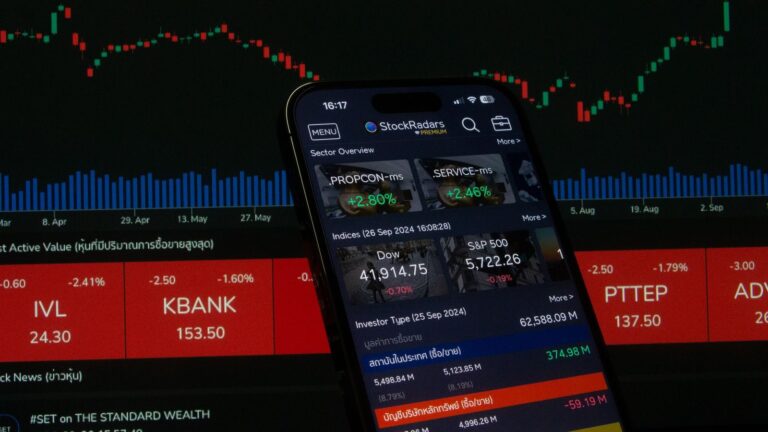
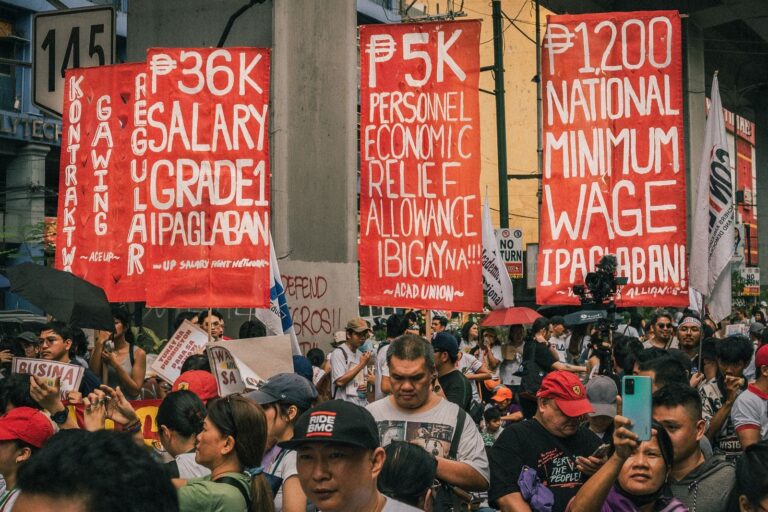
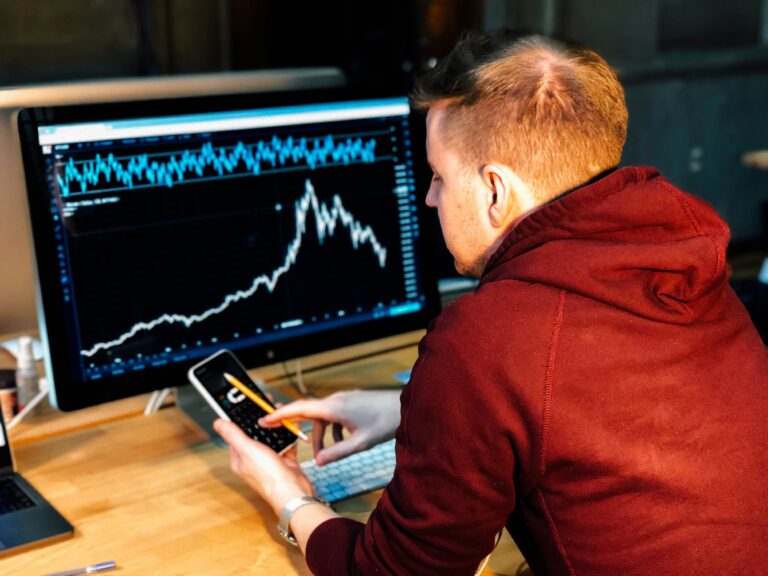
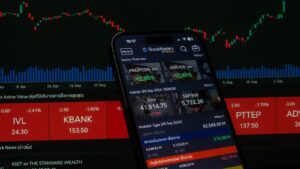
The amount of net foreign portfolio inflows (‘hot money’) to the Philippine financial market shrank by 27% in July to 170 million dollars (10.36 billion pesos as of the time of writing), compared to June. Hot money refers to types of short-term investments that investors inject into the financial markets. Where hot money promises high returns, this is also complemented by high risk. The lower net inflow of hot money, according to industry experts, signals a market driven towards safety rather than returns.
A bear market?
Analysts caution that this may signal a bearish market—one that considers the volatility seen by the Middle East oil crisis. The crisis, which have shocked global economies, have brought unstable sentiments toward the broader markets; that is, where investors are concerned, they flock to more stable investments. This is seen by the movement of capital towards safer types of investments, one of which is government bonds.
Government bonds and lower risk appetite
Historically stable, these bonds have usually resisted market volatility by its inherent nature of insulation. The government decides the yield value of the bonds, as it is effectively a loan that pays dividends to buyers of said bonds. As of June 2026, five-year treasury bonds in the Philippines have an annual yield of 8 percent according to information from Bangko Sentral ng Pilipinas. Government bonds are a near-opposite to the investment strategy and thesis of hot money. The investment is locked in for a certain period of time—as opposed to quick movement of capital. The returns, though guaranteed, reside within the low-risk appetite side of the spectrum—contrary to the high-risk, and sometimes high-reward (that is quickly realized) returns of hot money.
In fact, net inflows to government bonds have increased by 60 percent to 540 million dollars (around 33 trillion pesos as of the time of writing) compared to the previous month. This affirms that, by having a market shift towards bonds, investors are indeed flocking towards safer investments.
Outflows increase
Net outflows also increased, signaling a change where individuals pull out of positions. The sentiment towards volatility vis-a-vis risk appetite is, again, a core focus of this headline. As outflows increase from the financial markets, this shows less investment in the market and signals lower outlook in the stability of the institution. Net inflows and outflows are linked by investor confidence; that is, more net capital tied to the market is an indicator of overall commitment to the performance of the market. This has been observed in volatile periods like the 1990s Asian Financial Crisis, the 2008 Housing Market Crisis, and, more recently, the 2020 COVID Crisis. Though the trading volume had increased during those periods, this had been in a negative direction (i.e. an outflow, a selling of stocks).
The current market situation is also market and industry-specific to a degree—while the oil crisis has negatively affected nearly all markets, the U.S. S&P 500, for example, has returned record-high gains. This has been contrasted, however, by volatility. Some analysts say a market correction is to come; others say that most industries are insulated from the oil crisis.
Market Volatility in The Philippines
Like any other countries, the Philippines is not immune to market volatility and the factors surrounding it. As hot money inflows continue to shrink, and the increase of outflows causing worry from an economic perspective, as well as signs of nearing bear market appear, there is still no telling how the market will fare in the future. Unexpected events such as geopolitical events, natural disasters, market trends, etc. Can have significant impact on the overall market and cause major shift in global investor sentiment. Safe types of investments, such as Government bonds, are only one example as a great counter to market volatility, but often not enough to override market mood swings.
In 2026, the Philippines’ market remains volatile, causing investors to be wary and cautious, like previously said above. Moreover, the weakening value of peso is one of the cited reasons of the International Monetary Fund (IMF) for slowed growth forecasts.
Crypto Trading, a haven for Investors
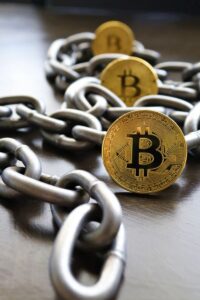
The use of crypto trading, powered by blockchain technology, has been one of the major breakthroughs in the digital finance system. Its concept of bridging financial ecosystems bypassing traditional hurdles, expansion to borderless transactions and remittances, creating an innovation-themed technological growth are few reasons for its mainstream adoption today.
For many, the use of crypto-related programs and applications helps in conducting successful buy and sell transactions in many forms of cryptocurrency within a metaverse environment, but for investors, the implication is much bigger. Diving into crypto trading means facing lower financial frictions such as high fee balances for deposit, required minimum investment or holding limits, and waiting time for processing. In addition, while the crypto space is highly volatile, most crypto trading applications provide real-time 24/7 market volatility window access. Furthermore, for investors, the devaluation hedge value of Philippine Peso can be avoided in crypto trading, by staying with stablecoins which is valued at fiat currency (a sample is USDC, a type of stablecoin valued by the U.S. Dollar).
In recent years, crypto trading has been more sought out by a portion of investors in the Philippines and showed a massive disparity in numbers with investors in the stock trading community. A 2025 report from InsiderPH, writer and reporter Miguel R. Camus revealed a statistic of GCrypto users at an all-time high of 2.7 million users, highlighting the difference of 1.2 million stock trading users. Crypto companies built its market in the country and took off successfully. Today, GCrypto is just one example of financial institutions offering crypto trading platforms in the digital space here in the country.
DOPAY, a crypto trading platform
DOPAY is an application licensed by Bangko Sentral ng Pilipinas (BSP) as an Electronic Money Issuer (EMI) and Virtual Assets Services Provider (VASP). DOPAY is also a crypto trading platform and offers other services such as an electronic wallet (e-wallet) to hold funds digitally, and option to convert into cryptocurrencies such as USDC for crypto trading with tokens like Bitcoin (BTC), Ethereum (ETH), and XXI.
By using DOPAY, anyone can have access to easily trade, top up, and receive. In addition, DOPAY has recently introduced their DOPAY Video Affiliate Program where affiliates can earn money just by posting a 15-second video featuring DOPAY’s app features and services.
Download the DOPAY app now!