
Why It’s a Great Time for OFWs in the Middle East to Start Investing in Crypto
Oversees Filipino Workers in the Middle East has the leverage to take advantage of cryptocurrency trading for their investment needs.

Oversees Filipino Workers in the Middle East has the leverage to take advantage of cryptocurrency trading for their investment needs.

The Philippines has steadily emerged as one of Southeast Asia’s most promising crypto markets, and recent remarks from Binance founder Changpeng “CZ”

In Southeast Asia, the Philippines is fast becoming one of the region’s most important stablecoin markets for several reasons.

Bitcoin traded around the $80,000 to $82,000 zone as investors watched one of the most important U.S. crypto policy events of the year: the Senate Banking Committee’s vote on the CLARITY Act.
The Philippines has one of the most interesting financial markets in Asia. On one side, millions of Filipinos still do not have full individual access to formal banking.

In 2025, awareness of cryptocurrencies among Filipinos jumped to 20%, up from just 6% in 2021. What was once a niche topic discussed in online forums has now entered everyday conversations.

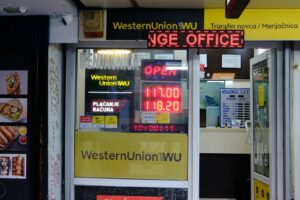
For decades, Overseas Filipino workers (OFWs) have shouldered high remittance fees just to send money home. Traditional channels (Banks, Wester Union) often charge 6–8% per transfer, eating into the hard-earned wages of millions abroad.

We live in an era managing risk comes with grave instability, uncertainty is rife, especially in these times of global geopolitical conflict
In banking, automation has been made a priority in recent years. Automation is practical and powerful. It helps operations move faster and workers move smarter.