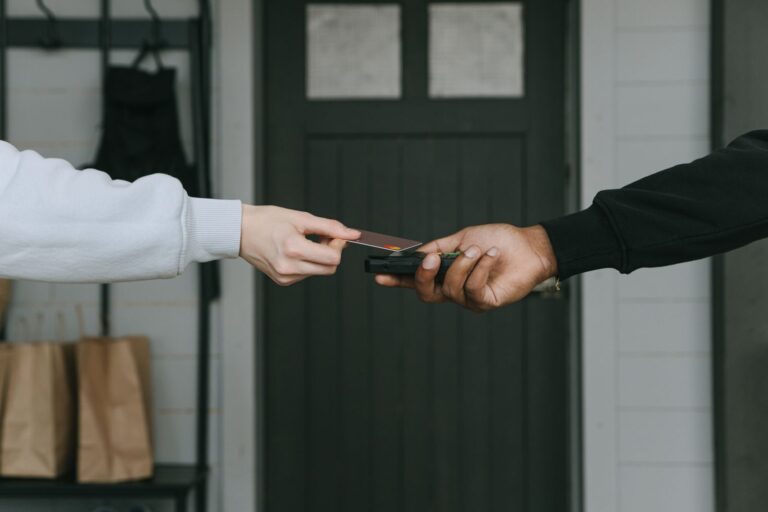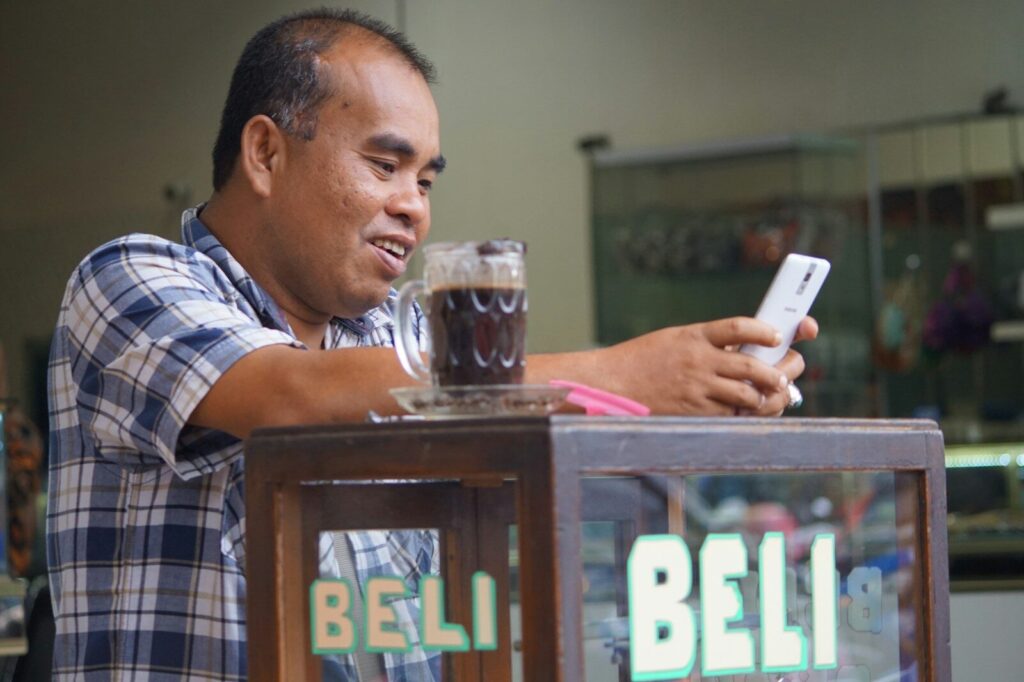
A small bakery, beauty salon, or neighborhood store may seem like an unlikely place for illegal gambling transactions. But according to the Bangko Sental ng Pilipinas (BSP), some businesses using these ordinary identities were being used to collect bets for illegal online casinos.
The central bank uncovered the scheme through its monitoring of digital payment activity. Some merchant accounts that appeared legitimate on paper were receiving thousands of small payments, including transactions worth only ₱50, particularly during late-night and early-morning hours.
What initially looked like normal payments eventually raised concerns because of their unusual volume and timing. BSP investigators determined that many of these transactions were connected to online gambling activities.
More than 8,000 merchant accounts linked to alleged illegal activities have since been shut down, highlighting the growing challenge regulators face as digital payments become more widely used across the Philippines.
How Illegal Operators Hid Behind Legitimate Businesses
The scheme reportedly depended on the use of ordinary business identities. Instead of openly operating as gambling merchants, illegal operators could use accounts registered under businesses that appeared to sell everyday products or services.
This allowed questionable transactions to move through established digital payment channels without immediately revealing their connection to online gambling.
BSP Deputy Governor Mamerto Tangonan explained the regulator’s concern, saying “We want to protect consumers from online fraud, illegal activities and also from money launderers. You cannot expand digitalisation if people’s money is being stolen or they’re being scammed.”
The pattern identified by BSP involved several warning signs, including.
- Thousands of low-value transactions going into the same merchant account.
- Payments occur during unusual hours, particularly after midnight.
- Businesses whose transaction activity did not appear consistent with their stated operations.
- Merchant accounts allegedly being used to support illegal online gambling.
The discovery shows why simply checking a merchant’s business name may not be enough. Regulators and payment providers increasingly need to understand how an account is actually being used after it has been approved.
BSP Moves to Strengthen Merchant Screening
Following its findings, the BSP released a draft circular designed to place greater responsibility on payment of service providers.
Under the proposed framework, platforms would have to conduct more detailed checks on merchants and intermediaries connected to their payment networks. This includes verifying important business information before merchants are allowed to process payments.
Payment providers would be expected to collect and verify information such as:
- The identity of business owners.
- Government-issued business permits and licenses.
- Registration information from legitimate business databases.
- Details showing where payment transactions ultimately lead.
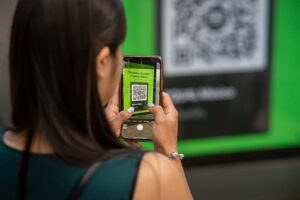
The proposal also includes the creation of a National QR Code Merchant Database. The database would provide financial institutions with a common source of merchant information and could help them trace transactions and identify suspicious businesses operating through the country’s QR payment system.
The objective is to make merchant activity more transparent and give financial institutions better tools to detect potentially illegal transactions.
High-Risk Businesses Face Direct Arrangements
The proposed rules would also change how certain high-risk businesses can connect to payment networks.
Casinos and gambling-related businesses, virtual Asset Service Providers (VASPs), and money-service businesses (MSBs) would have to establish direct merchant arrangements rather than relying on layers of intermediaries.
This means payment providers would have greater visibility over who is actually receiving and processing funds.
Existing layered merchant arrangements would also have to undergo review. Under the proposal, these arrangements would need to be examined within six months after the circular takes effect, while identified deficiencies would have another six months to be corrected.
The BSP has also made clear that payment providers could face serious consequences if they repeatedly fail to address illegal activity on their networks.
“If there are illegal activities and you’re not able to stop it, then you are accountable,” Tangonan said.
The proposed approach effectively shifts greater responsibility toward payment companies, rather than allowing them to rely heavily on third-party merchant aggregators for screening and monitoring.
The Digital Payment Industry Faces a New Standard
The BSP’s action comes as digital payments continue to become an increasingly important part of everyday commerce in the Philippines.
As more consumers and businesses rely on e-wallets and QR payments, the same systems can also become attractive targets for fraudsters, money launderers, and illegal gambling operators.
Industry participants have expressed support for stronger safeguards. Maya said it supports measures that “strengthen the integrity, safety and trustworthiness of the digital payments ecosystem,” while the EMoney Association of the Philippines said it fully supports the BSP’s goals and is reviewing the proposed circular.
PAGCOR chairman Alejandro Tengco has also acknowledged the problem of businesses appearing to be ordinary establishments while allegedly operating as unregistered online casinos. The regulator is working with the BSP on the issue.
To consumers, stricter checks could mean that some businesses face a longer or more demanding onboarding process before they can accept digital payments.
However, the broader goal is to ensure that the convenience of cashless transactions does not come at the expense of security and accountability.
As digital payments continue to expand, regulators are making it clear that payment platforms must know who their merchants are, how their accounts are being used, and where the money is going.
What This Means for DOPAY
The changing regulatory environments also reinforce the need for payment ecosystems to combine convenience with strong safeguards, helping ensure that legitimate users and businesses can transact with greater confidence.
For digital payment platforms such as DOPAY, the BSP’s tighter approach highlights the importance of transparent merchant verification transactions monitoring, and secure payment practices as digital commerce continues to grow.
DOPAY, as a BSP-licensed e-wallet and crypto wallet, provides a reliable channel for remittances and digital transactions, helping Filipinos navigate the evolving financial ecosystem with confidence.
For our beloved OFWs, DOPAY guarantees peace of mind allowing them to send money from anywhere, including Japan, Hong Kong, Dubai, and beyond, to the Philippines quickly and affordably while enjoying secure and transparent transactions.
And with DOPAY’s Crypto Wallet, users can earn crypto rewards through the Trade & Earn program. Plus, the Refer & Earn program opens new opportunities for Filipinos to boost their income with every successful referral.
Download the DOPAY app today!