Why you should know this
A busy timeline can look like broad agreement even when a few coordinated, automated or highly active accounts create most of the noise.
Fast-moving information creates a special risk: a true observation can be turned into a false market conclusion simply by skipping one step in the chain.
The short answer
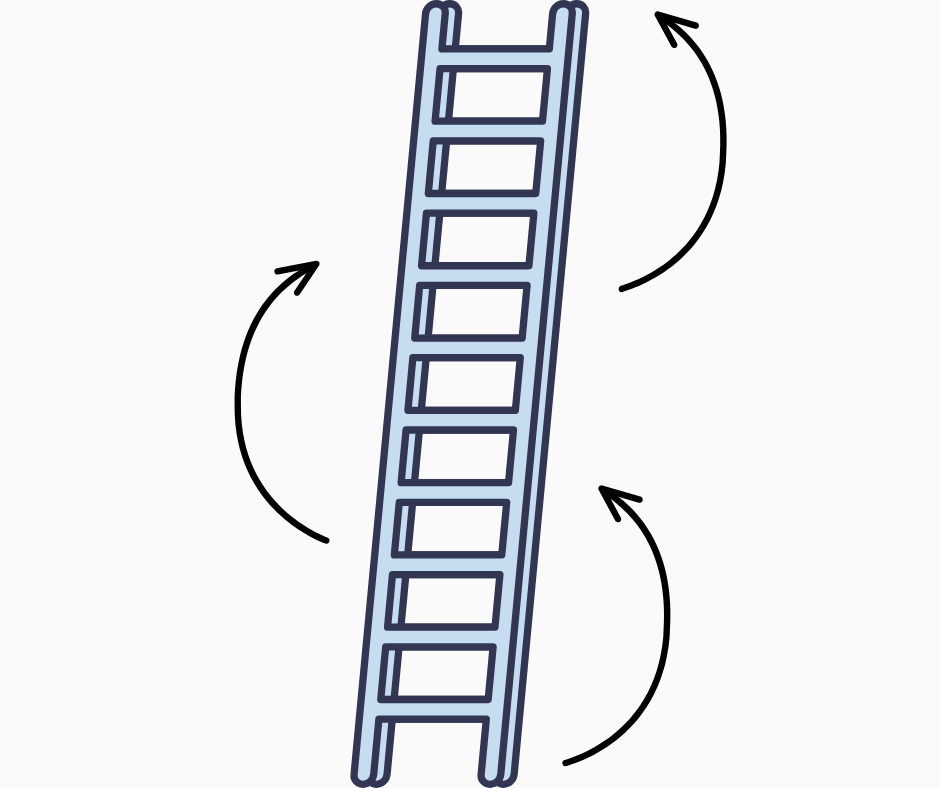
Use a fixed sequence:
source → timestamp → scope → method/incentive → market evidence → alternative explanation → invalidation → decision boundary
The order matters. If interpretation comes before source and chronology, the story can start steering the evidence.
Verification lab — topic-specific checks
- Define platform, keyword, language, geography and time window.
- Count unique accounts, post concentration and repeated wording.
- Identify paid, referral or giveaway incentives.
- Manually review a sample for tone/classification errors.
- Compare attention with price, liquidity and one independent adoption/event source.
- Write a no-action condition if breadth, identity or causation remains unclear.
Build the source and chronology chain
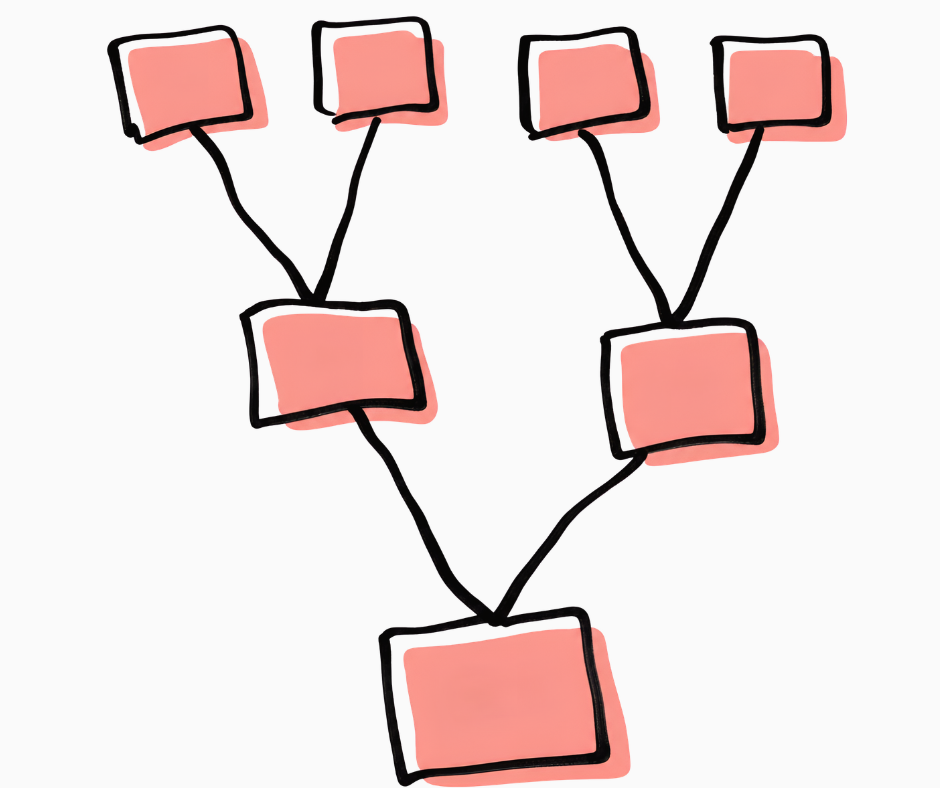
For the item you are studying, complete this table:
| Layer | What to record |
|---|---|
| Original source | Closest primary or authoritative origin |
| Event time | When the underlying event or observation actually occurred |
| Publication / update time | When the source became public and when it changed |
| Scope | Asset, venue, user, jurisdiction, language or market covered |
| Method / incentive | How the measure was produced or who benefits from the claim |
| Market evidence | Price, liquidity, positioning, adoption or other relevant evidence |
| Alternative explanation | A different account of the same observation |
| Decision boundary | What remains unknown or means no action yet |
If several articles or posts depend on one original source, count them as one evidentiary origin.
Worked verification scenario
A project hashtag jumps from 300 to 2,400 posts in six hours. There are 190 unique accounts, 45% of posts come from the 20 most active accounts, and a referral campaign launched two hours before the spike.
The learner records the timeline, removes duplicates, separates campaign posts from ordinary discussion and compares the remaining sample with market volume and a primary project announcement. The correct output may simply be: “promotional attention rose; broad organic sentiment is not established.”
The strongest acceptable conclusion is the strongest sentence the evidence supports—not the most interesting sentence that could be written.
What the evidence does not prove

A large volume of positive posts does not prove independent participants, real users, funded demand, product adoption or future price appreciation.
Write this boundary explicitly. Academy 9 is designed to prevent plausible stories from becoming unsupported certainty.
Failure classification
- Sample-definition drift — record whether this failure is possible in the example.
- Duplicate or coordinated-account inflation — record whether this failure is possible in the example.
- Language/classification error — record whether this failure is possible in the example.
- Promotion mistaken for organic interest — record whether this failure is possible in the example.
- Geographic overgeneralization — record whether this failure is possible in the example.
- Price move attributed to social activity without chronology — record whether this failure is possible in the example.
A useful review does not only ask whether the final direction was “right.” It asks which failure mode would have produced a misleading conclusion.
No-action conditions
“No action yet” is a valid analytical result when:
- Unique-account breadth is too low.
- Majority of activity is incentivized and cannot be separated.
- The original source of the discussion is unknown.
- Language classification is unreliable.
- Market reaction occurred before the social spike.
- No independent evidence supports the claimed real-world effect.
A no-action condition protects the process from urgency. It does not mean the subject is unimportant.
Philippine and Asian applicability check
Before localizing a global claim, add:
- country / corridor;
- affected user or entity;
- local currency and practical outcome;
- actual provider / access route;
- effective date or local event time;
- local primary or authoritative source.
If those fields are missing, keep the regional conclusion narrow.
Information conclusion versus trading conclusion
A verified fact can still be a poor trading signal.
After verification, create two separate lines:
- Information conclusion: what is supported about the event, sentiment or narrative.
- Trading conclusion: whether the evidence changes a defined plan after considering price, liquidity, risk and execution.
Never merge the first into the second automatically.
A no-money review scorecard
Score one point for each item completed before the outcome is revealed:
| Check | 0/1 |
|---|---|
| Original source identified | |
| Chronology preserved | |
| Scope/applicability defined | |
| Method or incentive checked | |
| Independent market evidence added | |
| Alternative explanation written | |
| Invalidation written | |
| No-action condition written |
The score measures documentation discipline, not predictive accuracy.
One risk or limitation
Platform APIs, ranking algorithms, deleted posts, private groups and changing access rules make historical social-media comparisons incomplete and method-dependent.
How this connects to market mastery
Market mastery uses social media as a sensor, not an oracle. The advanced skill is knowing what the sample represents, where it is biased and what independent evidence would be needed before the story can influence a decision.
The mature skill is not reacting fastest. It is knowing which parts of the story are established, which are inferred, and which are still unknown.
Quick check — no money needed

Use a fictional or historical example and write:
- the original source;
- event and publication times;
- the strongest confirmed statement;
- one alternative explanation;
- one thing the evidence does not prove;
- one invalidation condition; and
- the condition that means no action yet.
If you can keep those layers separate, this lesson is complete.