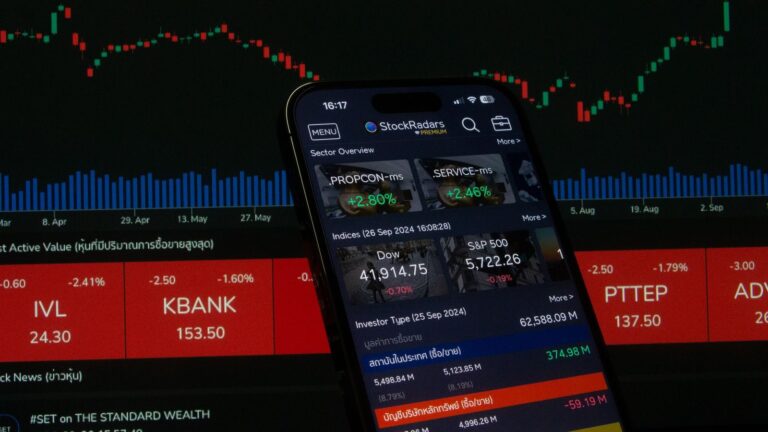
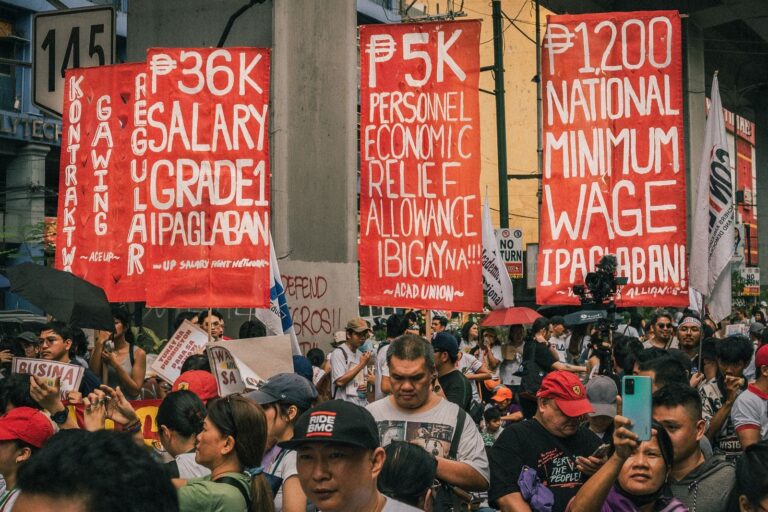
The Securities and Exchange Commission (SEC) has released a draft framework to regulate market makers in the Philippines, safeguards aiming to improve liquidity, reduce volatility, and enhance investor confidence in the local capital markets.
SEC’s initiative arrives as the Philippine Stock Exchange (PSE) also pushes for reforms in its own market‑making rules, symbolizing a coordinated effort to modernize trading infrastructure and align with international standards.
The draft framework introduces clear definitions, registration requirements, and oversight mechanisms for market makers, entities that play a critical role in ensuring continuous buy‑and‑sell quotations for listed securities. With this formalized framework, the SEC seeks to address gaps in regulation and provide safeguards for investors.
A New Mandate for SEC
The draft framework is new, rather than a mere amendment of existing rules. While the PSE has long had guidelines for market‑making activities, the SEC’s framework establishes a regulatory foundation at the national level.
It mandates that market makers must register with the SEC, comply with capital adequacy requirements, and adhere to disclosure standards.
Key changes show the shift from voluntary or exchange‑driven arrangements to a formal regulatory regime under the SEC, including:
- Formal recognition of market makers as regulated participants.
- Clear obligations to provide continuous liquidity for designated securities.
- Requirements for transparency in pricing and reporting.
- Oversight mechanisms to monitor compliance and penalize misconduct.
The framework is set to cover all entities seeking to act as market makers in Philippine capital markets, including broker‑dealers, investment houses, and other financial institutions capable of providing liquidity.
The scope extends to equities, fixed income instruments, and potentially exchange‑traded funds (ETFs). With this broadened coverage, the SEC ensures that liquidity support is available across asset classes, not just equities.
Requirements and Registration Process
Market makers will be required to register with the SEC, submit documentation on capital adequacy, risk management systems, and governance structures. They must demonstrate the ability to provide continuous two‑way quotes and maintain sufficient inventory to support liquidity.
The registration process involves:
- Submission of application forms and supporting documents.
- Review of financial capacity and operational readiness.
- Approval by the SEC, subject to ongoing compliance monitoring.
This process ensures that only qualified institutions can act as market makers, safeguarding investors from potential abuse.
What is Marketing Making?
Market making is a fundamental mechanism in capital markets designed to ensure liquidity and stability.
At its core, market making involves a financial institution or broker continuously quoting both buy and sell prices for a security, thereby guaranteeing that investors can transact without significant delays or price disruptions.
Market makers profit from the bid‑ask spread—the difference between the buying and selling price—but their role goes beyond profit. They are tasked with stabilizing markets, narrowing spreads, and facilitating efficient price discovery.
Market makers are typically broker‑dealers, investment houses, or specialized trading firms that commit to providing liquidity for designated securities
In developed markets such as the United States or Europe, market makers are indispensable for equities, bonds, and derivatives. They ensure that even in times of volatility, investors can enter or exit positions without destabilizing the market.
Domestically, market makers have historically operated under PSE guidelines, often contracted by issuers to support liquidity for specific stocks. However, without a national regulatory framework, their activities have been limited in scope and oversight.
SEC, PSE: Joint Controls
Oversight of market makers falls under the SEC because they are integral to the functioning of capital markets.
The SEC’s mandate includes investor protection, market integrity, and systemic stability. Through formal regulation of market makers, the SEC ensures that liquidity provision is conducted fairly, transparently, and in alignment with public interest.
The PSE has also proposed changes to its market‑making rules, focusing on incentives and operational guidelines.
While the PSE’s proposals are exchange‑specific, the SEC’s framework provides a national regulatory foundation. The difference lies in scope: the PSE governs activities within its exchange, while the SEC establishes overarching rules applicable to all market makers in the Philippines.
Combined, SEC’s oversight and PSE’s administration of these initiatives create a more coherent and robust regulatory environment.
It is important to note that there are already market makers operating in the Philippines, primarily broker‑dealers affiliated with the PSE. These firms provide liquidity for selected securities, often under contractual arrangements with issuers.
However, the absence of a formal SEC framework has meant that oversight has been limited to exchange rules. The new framework will bring these activities under direct SEC supervision, enhancing accountability.
Why SEC’s Formalization is Relevant
SEC’s decision to formalize a framework for market makers stems from several pressing challenges in the Philippine capital markets.
Liquidity has long been a structural weakness, with many listed securities suffering from thin trading volumes, discouraging investor participation and undermines confidence in the market’s ability to support capital formation.
If market makers are regulated, the SEC can address these liquidity gaps and create a more attractive environment for both domestic and foreign investors.
Another driver is investor protection. Without clear rules, market‑making activities risk being opaque, potentially leading to conflicts of interest or manipulation. A formal framework ensures transparency, accountability, and fair dealing, aligning the Philippines with international best practices.
The rise of systemic risks, particularly during periods of market stress, also underscores the need for regulation. Market makers play a critical role in absorbing shocks and maintaining orderly trading, and SEC’s framework can strengthen the resilience of the financial system.
Furthermore, the draft form part of a bigger agenda of modernization and alignment with global standards.
In advanced markets, market makers are regulated participants subject to capital adequacy, disclosure, and compliance requirements. Through adoption of similar standards, the Philippines shows its commitment to building robust, transparent, and globally competitive capital markets.
Beneficiary of the Framework
The primary beneficiaries are investors, who will enjoy greater liquidity, narrower spreads, and more reliable price discovery. Issuers also benefit, as improved liquidity makes their securities more attractive to investors.
Philippines’ overall financial system may gain resilience, as regulated market makers help stabilize markets during periods of stress.
Ultimately, the Philippine economy benefits from stronger capital markets, which are essential for mobilizing savings, financing investment, and supporting growth.
As a BSP‑licensed Electronic Money Issuer (EMI) and Virtual Asset Service Provider (VASP), DOPAY ensures that its operations meet the highest standards of regulatory compliance.
We integrate strong governance, risk management, and liquidity management to safeguard our stakeholders’ interests – and that includes you.
With DOPAY’s crypto wallet, you can gain crypto rewards for every trade under our Trade & Earn program. Not just that, with DOPAY’s Refer & Earn program, Filipinos can unlock new doors for earning possibilities with every successful referral.
Download the DOPAY app today!