The LTFRB has imposed a maximum ₱60 cap on booking fees for app‑based taxis in the Philippines, aiming to protect commuters from inconsistent and excessive charges.
LTFRB’s New Cap Rule
On July 18, 2026, the Land Transportation Franchising and Regulatory Board (LTFRB) issued Memorandum Circular 2026‑055, capping booking or platform fees for app‑booked taxis at 20% of the approved fare or ₱60, whichever is lower.
The circular, effective immediately, prohibits additional surcharges, convenience fees, or overlapping charges without LTFRB approval. Violators face fines, suspension, or cancellation of franchise accreditation
The fresh rules come after months of commuter complaints about unpredictable and excessive charges, particularly during peak hours.
In a press release, LTFRB emphasized that the regulation was designed to protect commuters, ensure transparency, and restore trust in digital transport platforms
Under the new rules, taxi operators using digital platforms must:
- Clearly disclose all fare components before booking.
- Reflect authorized charges in electronic receipts.
- Avoid arbitrary or dynamically generated booking fees.
This ensures transparency and uniformity across platforms, addressing complaints of hidden or inconsistent charges.
Online Taxis in the Philippines
efore the cap, booking fees varied widely. Some platforms charged ₱80–₱100 during rush hours, inflating total fares beyond commuter expectations.
With the ₱60 ceiling, costs are now standardized, reducing uncertainty. Average base fares remain at ₱40 flag‑down plus ₱13.50 per kilometer, but booking fees previously added a significant burden.
Surge pricing mechanics also contributed to commuter frustration.
GrabTaxi, for instance, often applied dynamic booking fees during peak demand, while MiCab and OWTO maintained relatively stable charges.
The LTFRB’s intervention now ensures that commuters can anticipate costs more reliably, regardless of platform choice.
The Philippine online taxi market, as largely utilized by Metro Manila, is dominated by Grab, Green GSM, and inDrive.
Grab continues to be the most widely used ride‑hailing app in the Philippines, offering both traditional GrabCar services and the newly launched GrabTaxi Electric, which integrates electric vehicles into its fleet.
Grab’s strength lies in its extensive coverage, reliability, and cashless payment options, though commuters have often criticized its dynamic pricing and surge fees.
Green GSM, a Vietnam‑owned company operating with VinFast electric vehicles (EVs), entered the Philippine market in 2025 and quickly expanded in Metro Manila and Davao. Its branding emphasizes eco‑friendly, all‑electric taxis, and it has gained traction among commuters seeking sustainable and cost‑efficient rides.
Green GSM’s fares are generally lower than Grab’s during peak hours, thanks to reduced operating costs of EVs.
inDrive, headquartered in California, has become one of the fastest‑growing ride‑hailing apps in the Philippines.
Its unique “bid‑based” fare model allows passengers to propose a fare, which drivers can accept, counter, or decline. This low‑commission, transparent approach has attracted both drivers and riders, especially in Metro Manila and Cebu.
In 2025, inDrive reported an 8x surge in rides and over 16,000 active drivers in the Philippines, making it a formidable competitor to Grab.
The LTFRB’s cap levels the playing field, ensuring commuters are not penalized by platform choice. It also provides smaller players like Green GSM and inDrive with an opportunity to compete more effectively against Grab’s dominance.
Regulating Online Booking Fees
LTFRB regulates fares and franchise operations to protect commuters.
Through the mandating of caps on booking fees, it extends its oversight into the digital transport economy, ensuring fair pricing and consumer protection. This mirrors its earlier regulation of TNVS pick‑up fares under MC 2025‑058, which addressed surge pricing concerns.
The agency’s proactive stance forms part of its broader mission: balancing commuter welfare with operator sustainability. Through intervention in digital transport pricing, LTFRB prompts that innovation must remain aligned with affordability and fairness.
This policy aligns with broader government efforts to regulate digital costs. The Bangko Sentral ng Pilipinas (BSP) recently pushed for lower digital transaction fees, while the Department of Trade and Industry (DTI) has monitored e‑commerce pricing transparency.
With one accord, these initiatives reflect a trend toward consumer‑centric regulation in digital services.
The BSP’s Digital Payments Transformation Roadmap aims to make 50% of retail payments digital by 2026, with QR Ph interoperability reducing transaction costs. LTFRB’s cap on booking fees complements this agenda, ensuring that digital transport payments remain affordable as adoption grows.
Fees Everywhere: The Public Sentiment
Surveys conducted by commuter advocacy groups show that 70% of Filipino commuters felt booking fees had become excessive, particularly during rush hours.
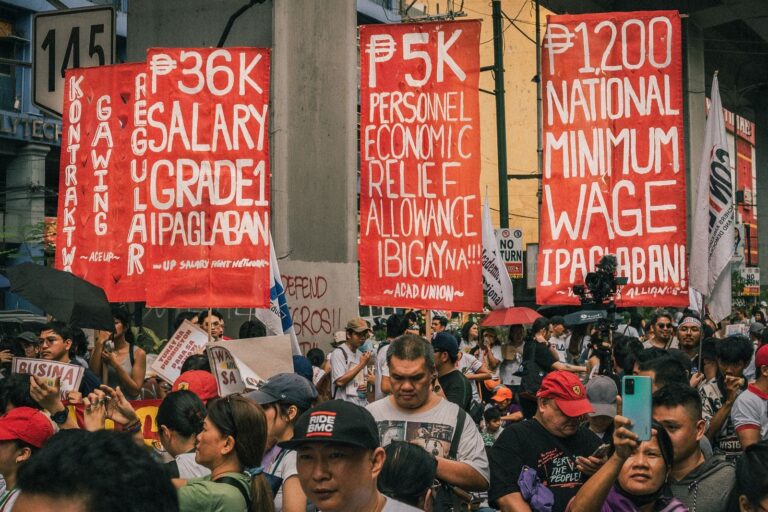
Social media complaints pressured LTFRB to act.
Grab has since announced compliance with the ₱60 cap, while others welcomed the move as a way to restore commuter trust.
Company responses mirror the tension between profitability and consumer protection. Grab emphasized that the cap would not affect service quality, while competitors MiCab and OWTO framed the regulation as validation of their transparency‑driven models.
Commuters can file complaints against overpriced fees through the LTFRB’s official hotline (1342), its Facebook page, or via the LTFRB Passenger Feedback Portal. Complaints can also be lodged through the DOTr’s 24/7 hotline.
These consumer protection mechanisms ensure accountability and allow regulators to monitor compliance.
The LTFRB’s official press release reinforced its stance on protecting commuters.
It clarified that booking fees must not exceed 20% of the metered fare and emphasized that platforms are prohibited from layering additional surcharges. The statement highlighted LTFRB’s consumer protection mandate, stressing that the regulation was a direct response to mounting complaints.
This communication connects directly to commuter sentiment and company responses, validating public concerns and setting a compliance benchmark for operators.
It also strengthens LTFRB’s accountability framework, signaling to commuters that the government is listening and acting decisively.
Payment Methods in Online Taxis
Payment methods for online taxi services in the Philippines have diversified significantly. Traditional cash payments remain widely accepted, but commuters are increasingly opting for cashless transactions through debit/credit cards and e‑wallets.
GrabTaxi has integrated GCash, Maya, PayPal, and direct card payments, making it one of the most versatile platforms for commuters who prefer digital transactions.
Green GSM, operating with VinFast electric vehicles, emphasizes sustainability not only in its fleet but also in its payment systems. The company has integrated QR Ph interoperability, allowing commuters to pay seamlessly using local e‑wallets like GCash and Maya.
Green GSM’s focus on eco‑friendly rides is complemented by its push for fully cashless transactions, positioning it as a forward‑looking alternative in the market.
inDrive, with its unique bid‑based fare model, also supports flexible payment options. While cash remains common for negotiated fares, inDrive has expanded to include card payments and e‑wallets, giving passengers more choice.
The platform’s low‑commission structure appeals to drivers, while commuters benefit from transparent fare negotiations and the convenience of digital payments.
No Cash? No Problem! Pay with DOPAY
DOPAY is a BSP‑licensed Electronic Money Issuer (EMI) designed for fast, everyday transactions. Its advanced compliance technology ensures transparent, secure payments, aligning with LTFRB’s push for fair pricing.
For commuters, DOPAY provides a reliable alternative to cash, enabling seamless taxi fare payments and remittances.
Not just that, with DOPAY’s Refer & Earn program, Filipinos can unlock new doors for earning possibilities with every successful referral.
Download the DOPAY app today!