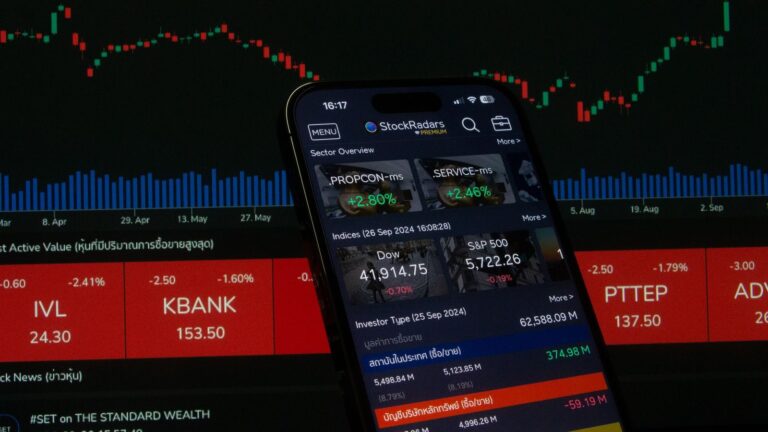
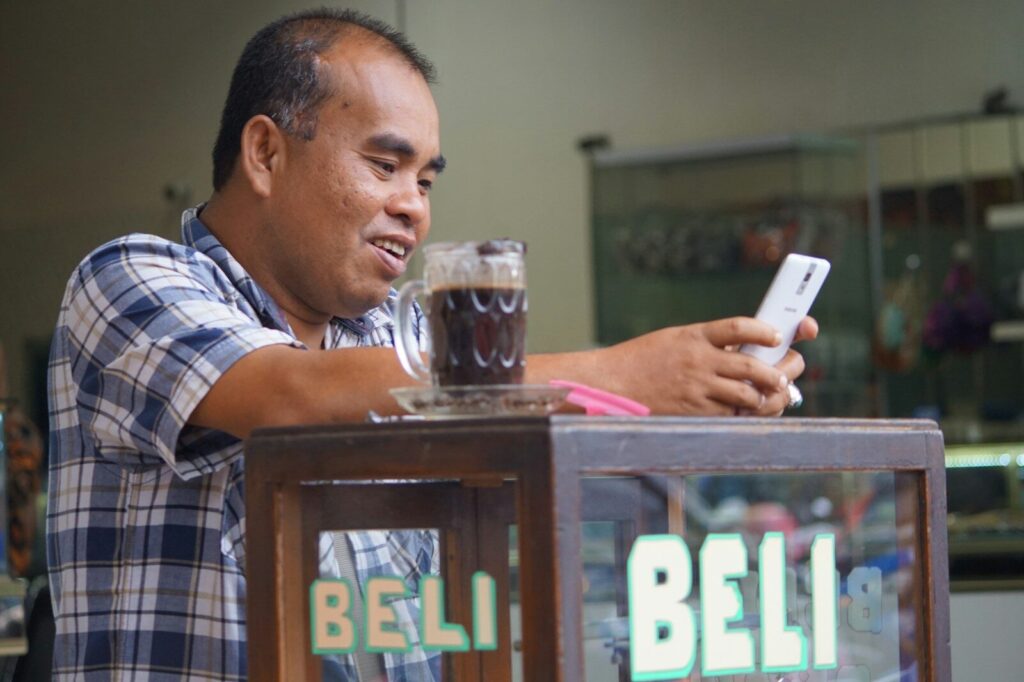
Bangko Sentral ng Pilipinas Governor Eli Remolona Jr. revealed that nearly eight in ten Filipino households are now using digital banking services or e‑wallets. This figure reflects a dramatic shift in how Filipinos manage money, pay bills, and send funds. It also underscores the success of the central bank’s push to expand digital financial services and bring more citizens into the formal banking system.
Remolona explained in an interview that adoption is likely to continue rising as banks lower or eliminate online fund transfer fees. He emphasized that digitalization is not only about efficiency but also about improving financial health. By reducing costs and making transactions more accessible, digital finance is helping households participate in the economy more fully.
The Rise of Digital Adoption
The Philippines has historically been a cash‑centric economy. For decades, most transactions were conducted in cash, from jeepney fares to market purchases. Banking penetration was limited, with millions of Filipinos unbanked or underbanked. The rise of mobile phones and internet connectivity began to change this landscape, but progress was slow until the pandemic accelerated digital adoption.
Lockdowns forced households to rely on online payments, e‑commerce, and digital wallets. Suddenly, services like GCash, Maya, and PayMaya became essential. By 2025, digital wallets were processing trillions of pesos in transactions annually. The BSP’s latest figures confirm that this transformation has reached critical mass, with nearly 80 percent of households now engaged in digital finance.
Policy Push and Regulatory Framework
The BSP has been instrumental in driving this change. Circular No. 1238, which took effect on July 4, requires electronic transaction fees to be reasonable, cost‑based, and transparent. It also prohibits fees on small‑value merchant payments made through the national QR Ph standard.
Several banks responded by removing or reducing fees. BPI, RCBC, UnionBank, and LandBank eliminated charges for online transfers. Philippine Bank of Communications, GCash, and Maya cut fees from ₱15 to ₱10. These changes lowered barriers to entry, encouraging more Filipinos to open accounts and transact digitally.
Remolona noted that reducing costs is crucial. It lowers the price of becoming part of the banking system, making financial inclusion more attainable. By ensuring that fees are fair and transparent, the BSP is building trust and encouraging adoption.
Efficiency and Financial Health
Digitalization improves efficiency by making payments faster and more convenient. But Remolona stressed that it also enhances financial health. By giving households access to formal accounts, digital finance enables savings, credit, and insurance. It reduces reliance on informal lenders and provides tools for managing money more effectively.
For example, digital wallets allow users to track spending, set budgets, and access micro‑loans. They also facilitate bill payments, reducing the risk of missed deadlines and penalties. These features contribute to financial stability, helping households plan and protect themselves.
The Role of Banks and E‑Wallets
Banks and e‑wallet providers have embraced digitalization. Traditional lenders are modernizing platforms, while mobile wallets are expanding services. GCash and Maya now offer savings accounts, investments, and insurance. Banks are integrating QR Ph, making payments seamless across platforms.
This convergence is reshaping the financial landscape. Households can choose between banks and wallets, or use both. The competition drives innovation, improves services, and lowers costs. It also expands access, reaching communities that were previously excluded.
Challenges and Opportunities
Despite progress, challenges remain. Connectivity gaps persist in rural areas, limiting access. Digital literacy is uneven, with some households struggling to use apps. Fraud and cybersecurity risks also pose threats.
The BSP and providers must address these issues. Expanding infrastructure, promoting education, and strengthening security are essential. At the same time, opportunities abound. Digital finance can support micro‑entrepreneurs, empower women, and facilitate remittances. It can also integrate with government programs, improving delivery of aid and subsidies.
Regional Context
The Philippines is not alone in this transformation. Across Southeast Asia, digital finance is booming. Vietnam, Indonesia, and Thailand have seen rapid adoption. Regional fintech ecosystems are expanding, attracting investment and innovation.
The Philippines’ progress is notable because of its scale and inclusivity. With nearly 80 percent of households engaged, the country is among the leaders in digital adoption. This positions it well to attract capital and integrate into regional networks.
Implications for OFWs
Overseas Filipino Workers play a central role in the economy. Their remittances are lifelines for millions of families. Digital wallets are revolutionizing this process, making transfers faster, cheaper, and more secure.
As adoption rises, OFWs can send money directly to wallets, bypassing traditional providers. Families receive funds instantly, with lower fees. This improves financial resilience and ensures that more of the money reaches households.
Platforms like DOPAY are part of this ecosystem. By focusing on compliance and affordability, they provide secure channels for remittances. They also offer tools for savings and investments, helping families build financial stability.
Linking Digitalization to Inclusion
Digital finance is not just about technology. It is about inclusion. By lowering costs and expanding access, it brings households into the formal system. It empowers them to save, borrow, and invest. It reduces reliance on cash and informal networks.
The BSP’s push for digitalization reflects this vision. By ensuring that fees are fair and platforms are secure, it is building a foundation for inclusive growth. The adoption of digital finance by nearly 80 percent of households is a testament to this success.
The trajectory is clear. Adoption will continue to rise as costs fall and services expand. Banks and wallets will innovate, offering new products and features. The BSP will refine regulations, balancing innovation with protection.
The challenge will be to ensure that progress is inclusive. Rural areas, low‑income households, and vulnerable groups must be reached. Digital literacy must be promoted, and security must be strengthened. If these challenges are addressed, digital finance can transform the economy.
The Philippines has reached a milestone. Nearly 80 percent of households are now engaged in digital finance. This reflects years of effort by the BSP, banks, and wallet providers. It signals progress in inclusion, efficiency, and financial health.
For Filipinos, the benefits are tangible. Payments are faster, transfers are cheaper, and services are more accessible. For OFWs, remittances are easier and more secure. For the economy, digitalization enhances resilience and attracts investment.
Digital wallets are central to this transformation. Platforms like DOPAY help households manage remittances, savings, and payments more efficiently. They provide secure, affordable tools that empower families and support inclusion.
As adoption rises, the future of finance in the Philippines is digital. The challenge is to ensure that it is also inclusive, resilient, and empowering. The milestone of 80 percent adoption is a step toward that future.
Download the DOPAY app today!